In Monster Hunter Wilds, knowing the monster's weakness is half the battle. While raw damage is consistent, exploiting Elemental Weaknesses and Status Ailments is the key to faster hunt times and breaking parts.
This MH Wilds Monster Weakness Guide serves as your central command. Below, you will find a complete elemental chart and a breakdown of which weapons (Builds) work best against specific monster types.
The Master Weakness Chart (Quick Reference)
Note: Always check your in-game Hunter's Notes for specific hitzone values.
| Monster Category | Primary Weakness | Secondary Weakness | Best Weapon Matchup |
| Fanged Beasts | Fire / Thunder | Ice | [Great Sword Guide] / [Hammer Guide] |
| Flying Wyverns | Thunder / Ice | Water | [Bow Guide] / [Insect Glaive Guide] |
| Brute Wyverns | Water / Sleep | Poison | [Long Sword Guide] / [Charge Blade Guide] |
| Elder Dragons | Dragon | Blast | [Dual Blades Guide] / [Switch Axe Guide] |
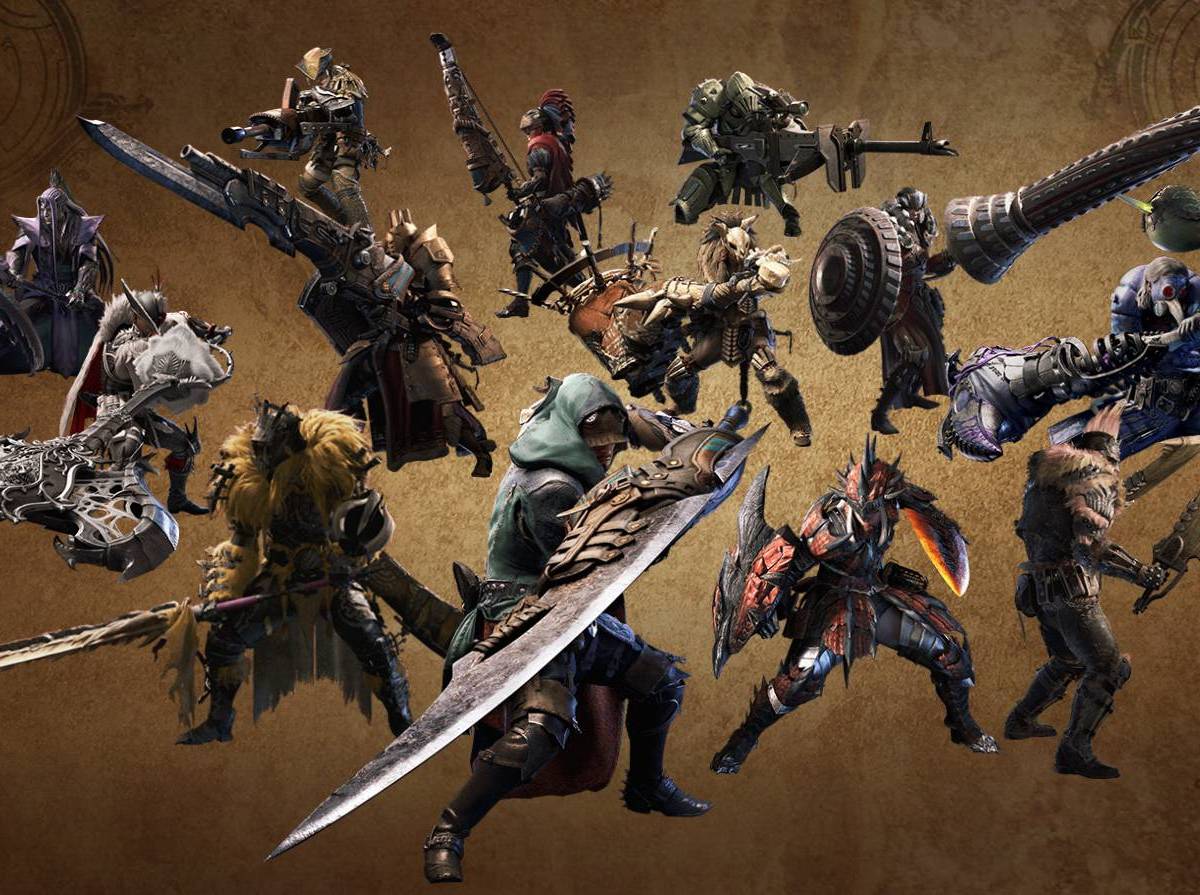
Weapon-Specific Elemental Guides
Choosing the right element is useless if your build isn't optimized. We have compiled in-depth guides for the top weapons in Wilds. Choose your playstyle below:
1. The Elemental Kings (Fast Hitters)
These weapons rely heavily on elemental matching. If you aren't using the right element, you are losing 30% or more of your damage.
Dual Blades: The undisputed king of elemental DPS. Requires managing stamina to shred weaknesses.
Bow: A mobile turret that targets elemental weak points from range. Focus Mode is crucial here.
Sword & Shield (SnS): The most versatile elemental applicator. Perfect for sticking to the monster.
2. The Technical Hybrids (Phial Users)
These weapons use "Phials" or gauges that can be tuned for Raw or Elemental damage.
Charge Blade: Choose between Impact Phials (Stun) or Element Phials (Massive Weakness Damage).
Switch Axe: Use Element Phials to charge your Amped State faster and unleash Zero Sum Discharge.
3. Raw Power & Precision (Slow Hitters)
While usually favoring Raw damage, these weapons in Wilds can still benefit from element on specific matchups.
Great Sword: Focuses on massive single hits. Element is secondary, but positioning is everything.
Long Sword: The counter-attack master. While Raw is standard, high-element LS is deadly in the endgame.
Understanding Damage Mechanics in Wilds
To fully utilize the charts above, you need to understand how damage is calculated.
Raw vs. Elemental Damage
Raw Damage: Good for slow weapons (Great Sword, Hammer). Effective on all body parts.
Elemental Damage: Essential for fast weapons (Dual Blades, Bow). Only effective on specific "Elemental Hitzones" (usually Head, Forelegs, or Wings).
Utilizing Focus Mode for Weaknesses
In Monster Hunter Wilds, Focus Mode allows you to surgically target wounds.
Wounding: Concentrating attacks on a weak point creates a "Wound."
Exploiting: Hitting a Wound with a Focus Strike deals bonus damage and often flinches the monster.
Tip: Dual Blades and Bow are the best at creating wounds quickly due to hit count.
FAQ: Common Matchup Questions
Q: Should I build one weapon for everything?
A: For Great Sword or Long Sword, a high Raw build is often enough. For Dual Blades, Bow, or Sword & Shield, you must build one set for each element (Fire, Water, Thunder, Ice, Dragon) to be effective.
Q: How do I know a monster's weakness in-game?
A: Collect tracks to level up your research. Open your Hunter's Notes, go to the Large Monsters section, and check the Physiology tab to see the star rating (3 Stars = Very Weak).
Ready to Hunt?
Select your weapon above to see the best loadouts and start crafting your counter-builds today!